
Creator Whitelisting for YouTube, TikTok & Instagram: Full Guide (2025)
Whitelisting lets brands run ads through a creator's own handle. Here is what it means, why it works, and what brands and creators should agree on before doing it.
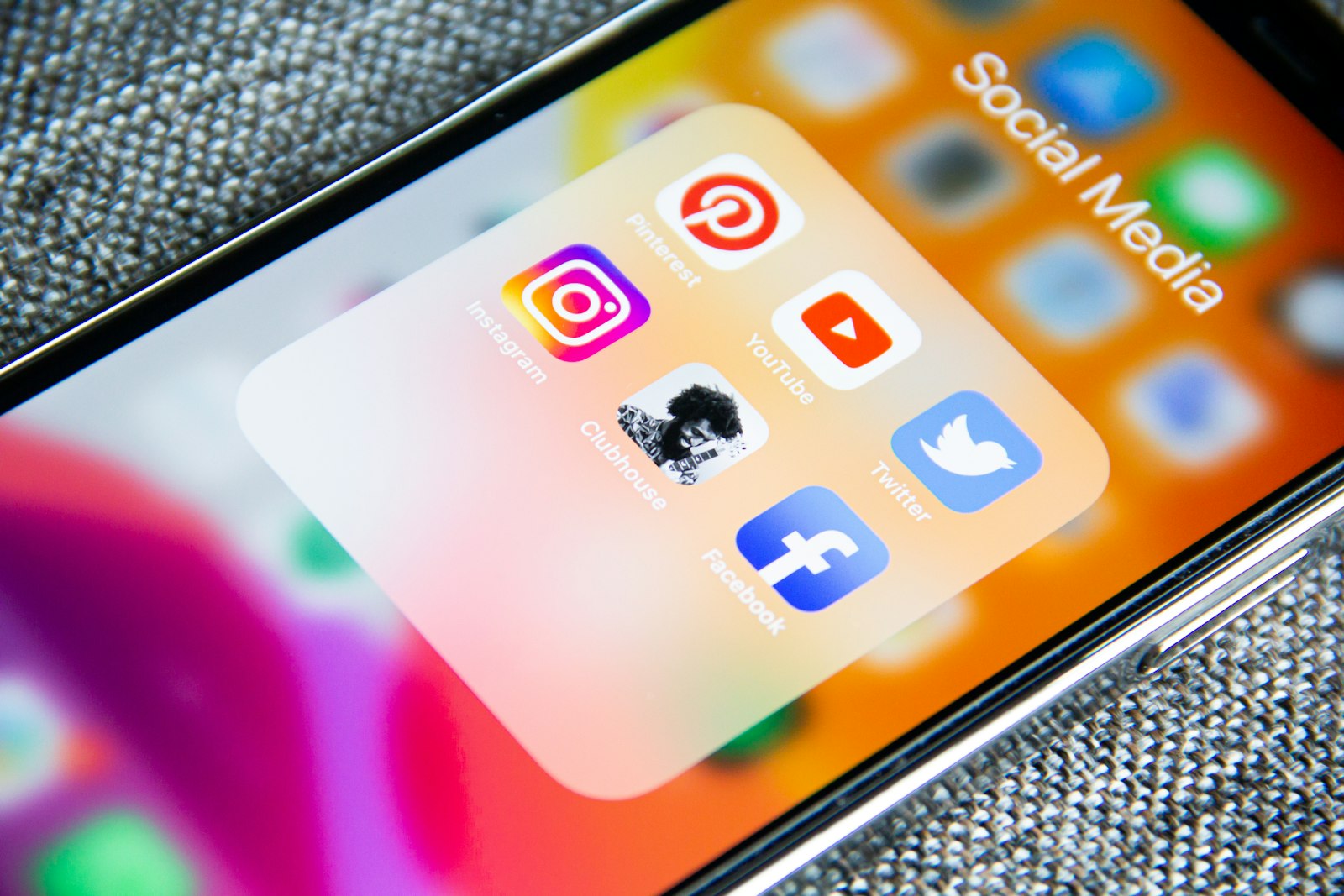
Whitelisting is one of those terms that gets used constantly in creator marketing and explained almost never. If you have heard it and nodded along without being totally sure what it means, here is the plain version, along with why it works and what to settle before you do it.
What whitelisting actually is
Whitelisting is when a creator gives a brand permission to run paid ads through the creator's own account. Instead of the ad appearing as "Brand," it appears as the creator, posting from their handle, but with the brand's ad targeting and budget behind it. The content runs as if the creator posted it themselves, because in a sense they did, while the brand controls the spend and who sees it. It is a step beyond simply licensing a video to run on your own account.
Why it works better than a regular ad
The reason brands want this is trust. An ad that comes from a creator's trusted handle carries the credibility of that creator, which a branded ad cannot buy. People who follow or recognize the creator see a familiar, trusted face rather than an obvious advertiser, so the content keeps the authenticity that makes creator marketing work in the first place, even as paid media. You get the targeting and scale of advertising with the trust of an organic creator post. That combination is why whitelisting often outperforms running the same content from the brand's own account.
Whitelisting vs Partnership Ads vs Spark Ads: What's the difference
Each platform has its own approach to running ads through creator accounts. Here is how they compare:
| Feature | YouTube Brand Connect | Instagram Partnership Ads | TikTok Spark Ads |
|---|---|---|---|
| Platform | YouTube | Instagram & Facebook | TikTok |
| Setup | Creator grants Business Manager access | Creator approves brand access via Meta Business Suite | Creator generates Spark Ads code for existing post |
| Cost | Creator fee + ad spend | Creator fee + ad spend | Creator fee + ad spend |
| Best for | Long-form video campaigns, established creators | Feed and Stories ads with creator credibility | Viral-style content, leveraging existing engagement |
| Content requirement | Video upload to creator's channel | Feed post, Reel, or Story on creator account | Existing TikTok post with public URL |
For a deeper dive into how TikTok's approach differs, see our guide on Spark Ads vs whitelisting.
How Creator Whitelisting Works on YouTube
YouTube whitelisting happens through YouTube's Brand Connect program (formerly FameBit). The creator maintains control of their channel while granting the brand permission to promote videos as TrueView ads, bumper ads, or other YouTube ad formats.
Step-by-step setup:
- 1.Creator grants access: The creator adds the brand's Google Ads account as an authorized user in YouTube Studio under Settings → Permissions.
- 2.Link accounts: In Google Ads, the brand links the creator's YouTube channel via Tools & Settings → Linked accounts → YouTube.
- 3.Create the ad: The brand selects the creator's video in Google Ads and sets up the campaign with targeting, budget, and bidding strategy.
- 4.Launch: The ad runs through the creator's channel, appearing as their content with "Sponsored" or "Ad" labels.
YouTube whitelisting works best for longer-form content where the creator's expertise and personality carry the message. Unlike feed-based platforms, YouTube ads can run as skippable or non-skippable pre-roll, giving brands more control over how viewers encounter the content.
TikTok Spark Ads vs Whitelisting
TikTok's approach to whitelisting is called Spark Ads, and it works differently from YouTube or Instagram. Instead of granting ongoing account access, the creator generates a unique Spark Ads code for an existing TikTok post, which the brand then uses to promote that specific video.
How TikTok Spark Ads work:
- 1.Creator posts organically: The video must already be live on the creator's TikTok account with a public URL.
- 2.Generate Spark Ads code: In TikTok settings, the creator enables "Ad authorization" and generates a code tied to that post.
- 3.Share the code: The creator sends the code to the brand (valid for 30 days).
- 4.Brand sets up the ad: In TikTok Ads Manager, the brand selects "Use Spark Ads code" and enters the code to create the campaign.
- 5.Launch: The ad runs as the creator's post, retaining all original likes, comments, and engagement, with "Sponsored" labeling.
The key difference: Spark Ads promote an existing post, preserving its organic engagement, rather than creating a new ad from scratch. This makes Spark Ads ideal for amplifying content that is already performing well organically. For a detailed comparison, read Spark Ads vs whitelisting.
Instagram Partnership Ads Explained
Instagram's whitelisting tool is called Partnership Ads (formerly Branded Content Ads), available through Meta Business Suite. It allows brands to promote creator content across Instagram and Facebook while keeping the creator's handle and credibility intact.
Step-by-step setup:
- 1.Creator tags the brand: The creator posts the content and tags the brand as a business partner using Instagram's Branded Content tools.
- 2.Brand requests access: In Meta Business Suite, the brand requests permission to promote the creator's post as a Partnership Ad.
- 3.Creator approves: The creator receives a notification and approves the request.
- 4.Create the ad: The brand selects the approved post in Facebook Ads Manager and builds the campaign with audience targeting, placement, and budget.
- 5.Launch: The ad runs in Feed, Stories, Reels, or Explore, appearing as the creator's content with "Paid partnership with [Brand]" displayed.
Instagram Partnership Ads work across both Instagram and Facebook, making them efficient for multi-platform campaigns. They are especially effective for visual storytelling, where the creator's aesthetic and style add value to the brand message.
When it makes sense
Whitelisting is worth it when the creator's credibility is doing real work, when their audience or their general trustworthiness adds something a branded ad lacks. It makes most sense for creators whose voice and face genuinely lend authority in your category. It makes less sense if you are simply running UGC-style content where the creator's identity is incidental, in which case licensing the video to run from your own account is simpler and cheaper. Match the approach to whether the creator's name actually adds value. For more on the differences between Spark Ads and traditional whitelisting, see our Spark Ads vs whitelisting guide.
When NOT to Whitelist
Whitelisting is not always the right move. Here are common situations where it does more harm than good:
The creator's audience is wrong for your targeting. If your paid media strategy needs to reach people outside the creator's niche, whitelisting forces you to pay for their credibility with an audience you are not targeting. Just license the content and run it from your own account.
You are testing creative, not leveraging trust. If you are running multiple creative variants to see what performs, whitelisting adds cost and complexity without much benefit. Save whitelisting for proven creative where the creator's name adds measurable lift.
The creator is not comfortable with ongoing access. Whitelisting requires the creator to trust your brand with ad permissions on their account. If they hesitate or want to approve every ad, the process becomes too slow for paid media. Either negotiate clearer terms or stick to standard licensing.
You are running evergreen or seasonal campaigns. Whitelisting works best for timely, high-impact campaigns. If you are planning to run ads for months or reuse content across multiple seasons, the ongoing access and creator fees may not justify the cost. Standard usage rights might make more sense.
The platform does not support it well. Not every platform has robust whitelisting tools. YouTube, TikTok, and Instagram all support it, but newer or smaller platforms may not. If the setup is clunky or the creator does not know how to grant access, you are better off running the content from your own account.
What to agree on first
Because whitelisting involves a creator handing over a degree of ad access on their own account, it requires more trust and clearer terms than a standard deal. Settle these before you start:
- Scope of access: exactly what the brand can run, and through which of the creator's accounts.
- Duration: how long the whitelisting arrangement lasts, since this is ongoing access, not a one-time use.
- Pricing: whitelisting is more valuable than basic usage and is priced accordingly, so agree the premium up front.
- Control and approval: what the creator gets to see or approve about the ads running under their name.
These are not minor details, they are the difference between a smooth arrangement and a creator feeling their account was misused. For a full breakdown of how to structure usage agreements, see our guide on usage rights for creator content explained.
Keep the terms with the work
Because whitelisting is an ongoing, higher-trust arrangement, the terms especially need to be documented and easy for both sides to reference, not buried in a thread. Keeping the agreement alongside the content and the campaign, which is what a workspace like Comeld lets you do, means the scope, duration and approval terms live next to the actual ads they govern. Whitelisting is one of the more powerful tools in creator marketing precisely because it pairs ad scale with creator trust, and it works best when both sides are clear, up front, on exactly what was agreed.
Frequently asked questions
What is creator whitelisting?+
Creator whitelisting is when a creator grants a brand permission to run paid advertisements through the creator's own social media account. Instead of the ad displaying as coming from the brand, it appears under the creator's handle and profile, making it look like the creator posted it organically. The brand controls the ad budget, targeting, and duration, but the content runs with the creator's name and credibility attached. This differs from simply licensing creator content to post on a brand's own account, because whitelisted ads carry the trust and authenticity of the creator's established audience relationship. The arrangement requires the creator to give the brand specific access permissions within the social platform's ad system, such as TikTok's Spark Ads or Meta's Partnership Ads tools. Whitelisting typically commands higher fees than standard content creation because it involves ongoing account access and leverages the creator's personal brand equity for paid media.
What does whitelisting content mean?+
Whitelisting content means giving a brand authorization to promote a creator's content as paid ads while keeping the creator's name and profile visible. When content is whitelisted, the brand can amplify that post to audiences beyond the creator's organic followers using paid advertising tools, but the ad still appears to come from the creator rather than the brand. This maintains the authenticity and trust associated with the creator's voice while adding the reach and precision of paid media targeting. The term 'whitelisting' comes from the idea of putting the brand on an approved list with special permissions to use the creator's account for advertising purposes. It requires formal agreement on scope, duration, and compensation, since the creator is essentially lending their account credibility and access rights to the brand for commercial use.
Run the whole campaign in one place
Brief, script, video review and feedback in a single workspace. Stop chasing versions across email, Docs and Drive.
Start for free