
What is UGC, and why does it outperform polished ads?
User-generated content is the everyday-looking video and photo that real people make about a product. Here is what it is, why it works, and how brands actually use it.
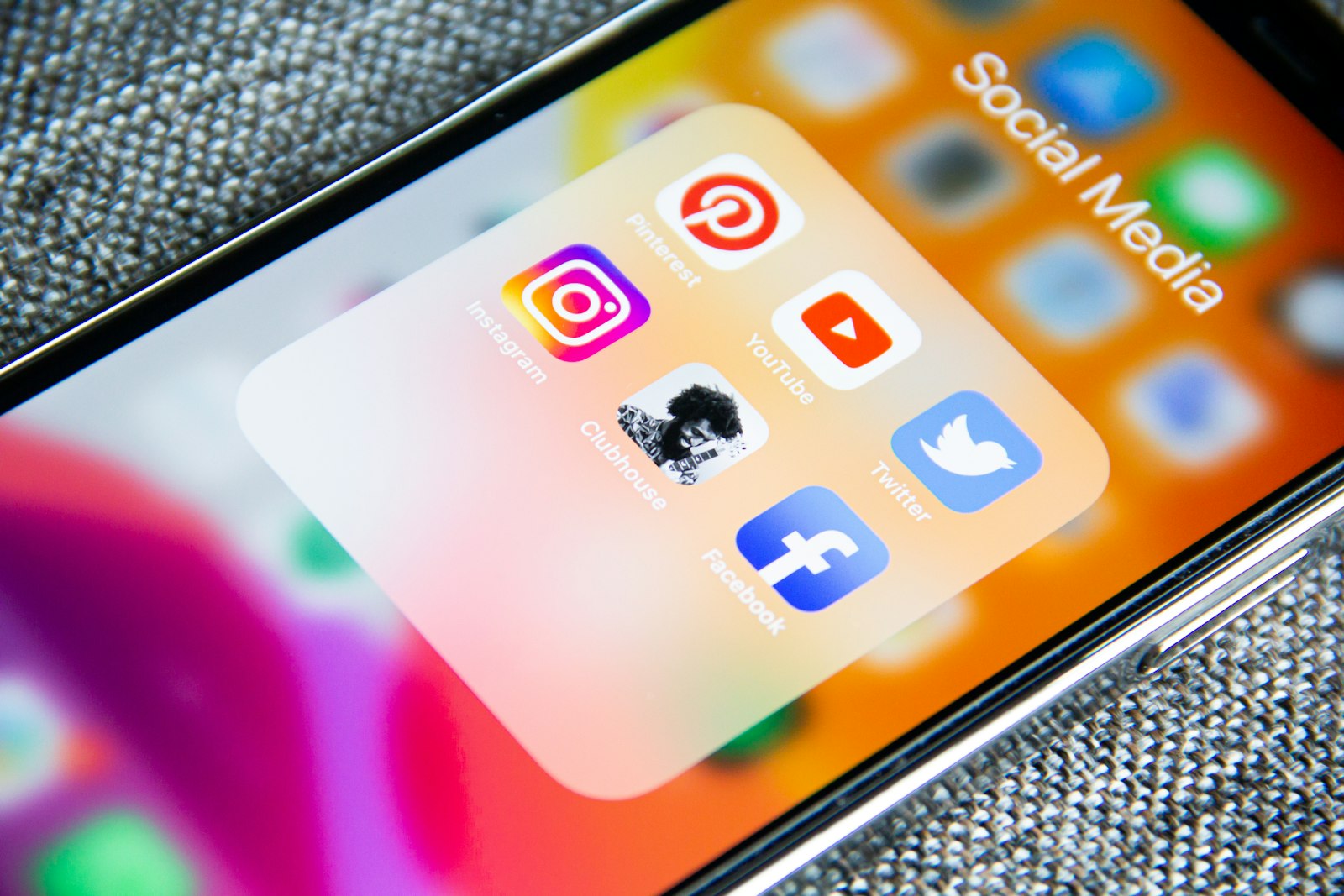
If you have spent any time around marketing in the last few years, you have heard the term UGC thrown around as if everyone already agrees on what it means. Most people half-know. Here is the clear version.
UGC stands for user-generated content. It is photo and video that looks like it was made by a regular person rather than a studio. A creator films themselves using your product on a phone, talks about it the way they would talk to a friend, and the result feels like a recommendation instead of an ad. That feeling is the entire point.
Why it works
People have learned to tune out advertising that looks like advertising. A glossy thirty-second spot signals "someone paid to tell you this," and the guard goes up. UGC slips under that guard because it looks like the content people already scroll past all day, the stuff their friends and the creators they follow actually post.
It works for three plain reasons:
- It looks native. On TikTok, Reels and Shorts, content that matches the feed gets watched. Content that looks like a TV ad gets skipped.
- It feels like proof. Watching a real person use a product answers the quiet question every shopper has: does this actually work for someone like me?
- It is faster and cheaper to make. You are not booking a studio. You are working with a creator and their phone, which means more variations to test and less time to first post.
UGC is not the same as influencer marketing
This trips up a lot of brands. Influencer marketing is about borrowing someone's audience. You pay a creator with a following to post to that following. UGC is about the content itself. A UGC creator might make a video you run as an ad from your own account, with no expectation that their followers ever see it. Some people do both. They are still different jobs.
Where brands actually use it
Most brands use UGC in three places: as paid social ads, on product pages where a real demo converts better than a stock photo, and in organic feeds to keep a steady stream of authentic-looking posts going. The same video can often serve all three.
The part nobody warns you about
UGC is cheaper to produce, but it is not free of overhead. The work moves around: a brief to the creator, a script to approve, a draft to review, feedback to send, a final to file. When you are running one creator, that is manageable in your inbox. When you are running ten, the coordination is where the time goes, and it is the part most teams underestimate.
That coordination is the problem Comeld is built to take off your plate, so the brief, the draft, the feedback and the final all live in one place instead of scattered across email and Drive. But you do not need a tool to start. You need to understand what UGC is and why it earns attention the polished version cannot buy.
Run the whole campaign in one place
Brief, script, video review and feedback in a single workspace. Stop chasing versions across email, Docs and Drive.
Start for free